Sustainable GRP Solutions for Sodium Hypochlorite Plant Wastewater Plant
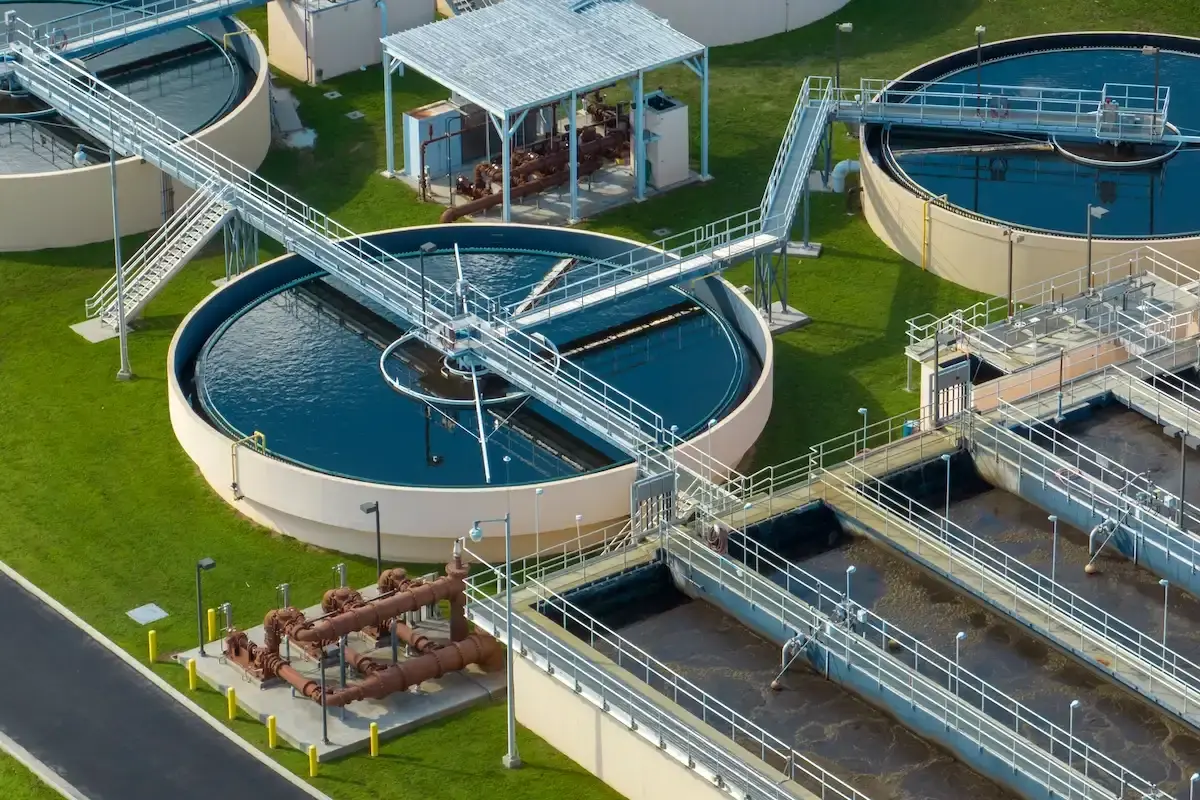
Providing high-performance, leak-proof, and corrosion-resistant FRP/GRP systems for Sodium Hypochlorite Plant water treatment and sewage management. From STP tanks to specialized filtration vessels, we deliver durable solutions that ensure clean water and a safer environment

Why Choose GRP for Water Treatment?

The Ultimate Material for Long-Term Water Infrastructure

Water and wastewater contain bacteria, chemicals, and moisture that destroy concrete and steel over time. Global Fiberglass offers GRP solutions that are 100% waterproof and chemical-resistant. Our tanks and systems are easy to install, require zero maintenance, and are safe for drinking water storage (Food Grade). Move away from leaky concrete tanks—switch to the reliability of GRP

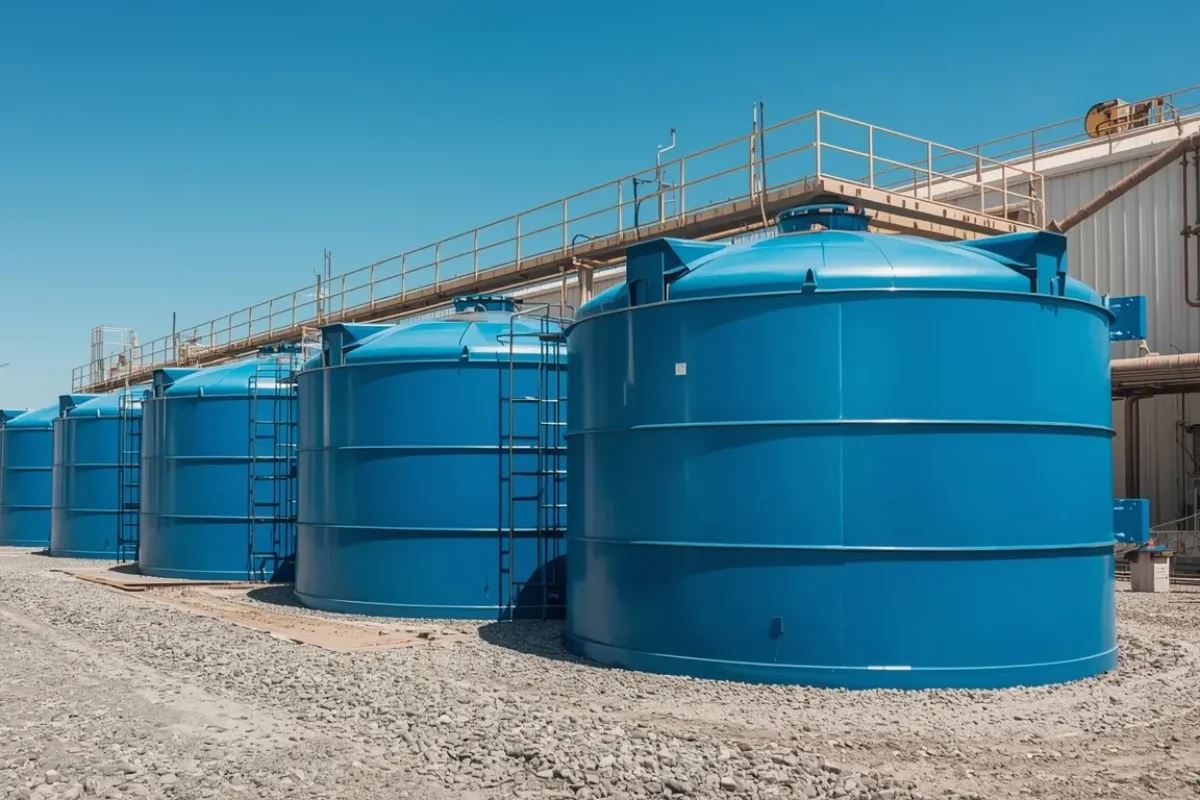
Large blue GRP/FRP industrial storage tanks featuring 100% leak-proof, chemical-resistant, and UV-resistant properties.

100% Leak-Proof & Hygienic

Corrosion & Chemical Resistance

Weather & UV Resistant

Fast & Flexible Installation

Core Services

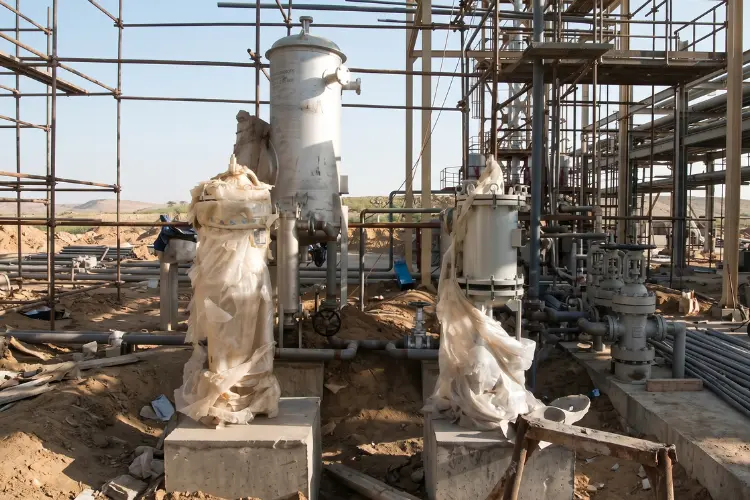
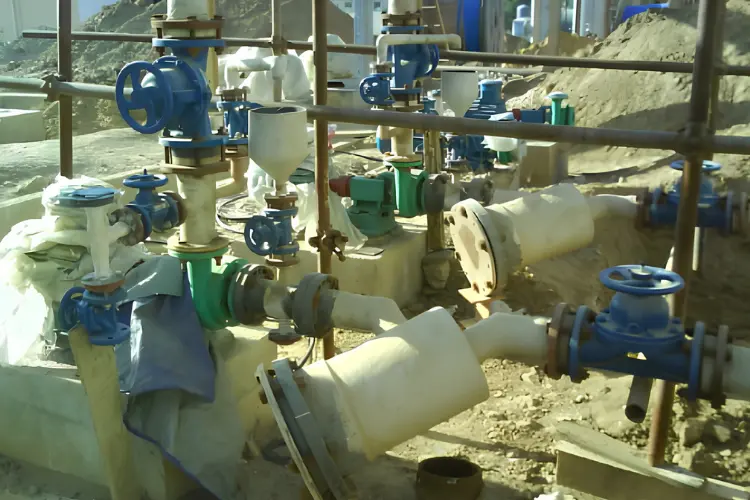
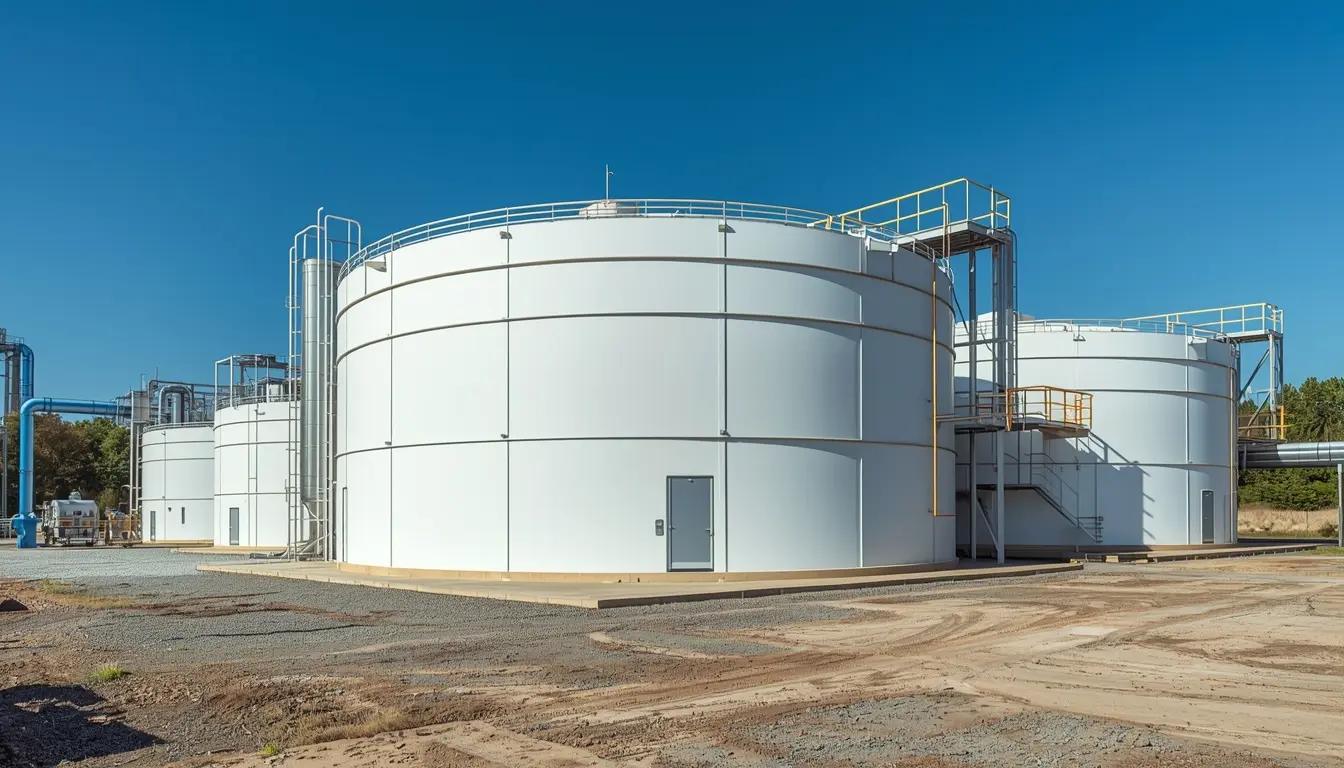
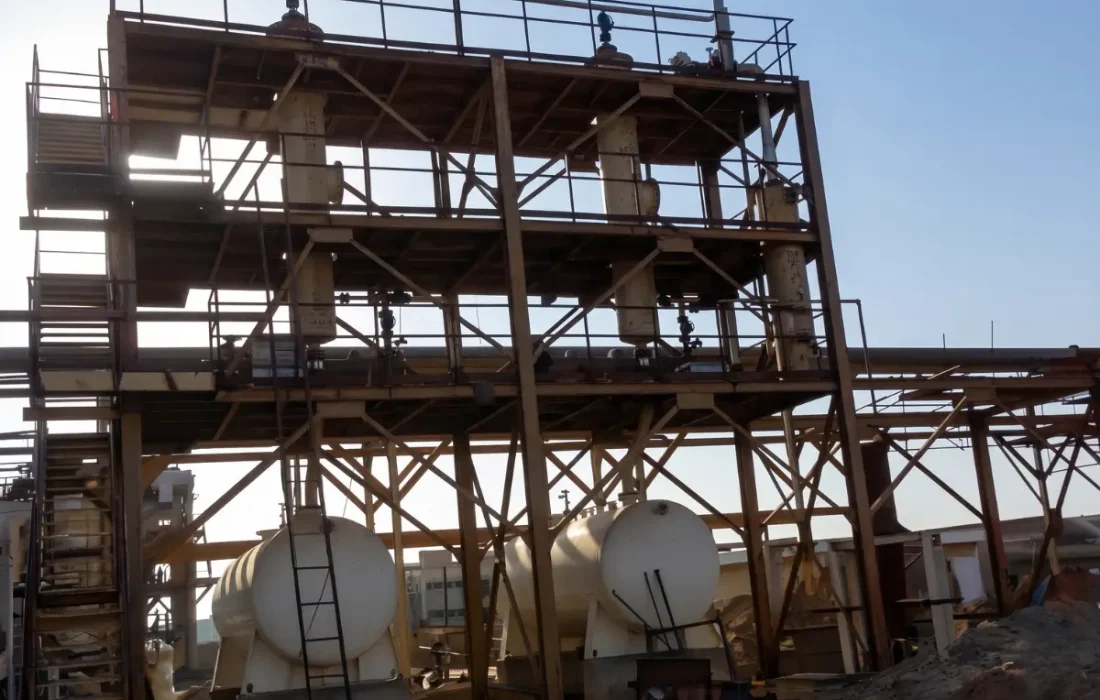
Industrial Sodium Hypochlorite Plant featuring process FRP tanks, rubber tanks, and chlorine gas injector systems by Global Fiberglass Company.

Sodium Hypochlorite Plant

That consists of caustic, chlorine gass , and water . including process FRP tanks, rubber tanks, chlorine gass injector system, chlorine reactor, tatanium heat exchanger, rubberlinied valves, pumps and complete pipe line
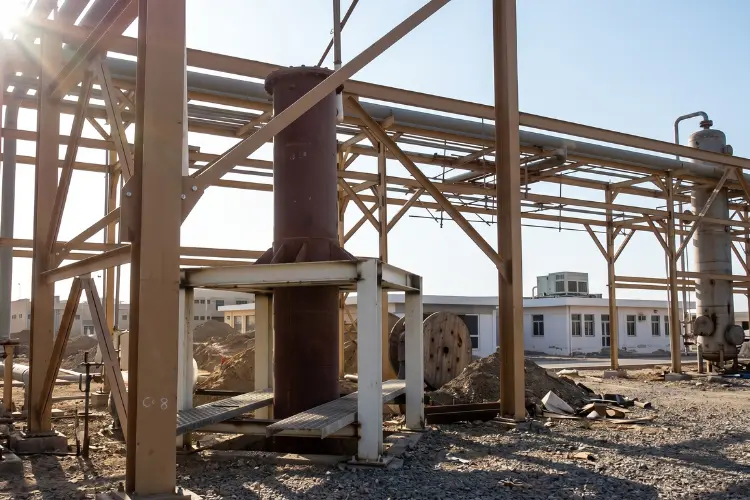
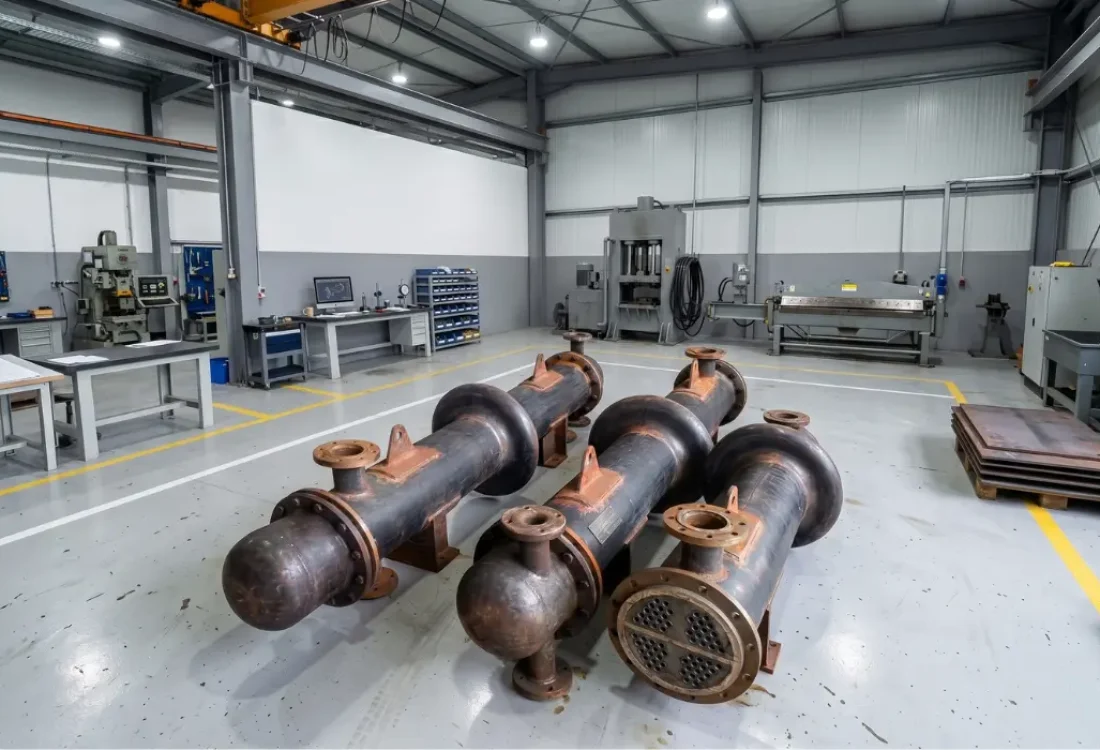
Grade 2 Titanium heat exchangers with internal bundles of seamless titanium tubes in an industrial manufacturing facility by Global Fiberglass Company.

Heat Exchanger

Grade 2 Titanium to ensure maximum corrosion resistance. Configuration: Shell with internal bundle of seamless titanium tubes. A multi-pass arrangement, optimized for high-velocity flow
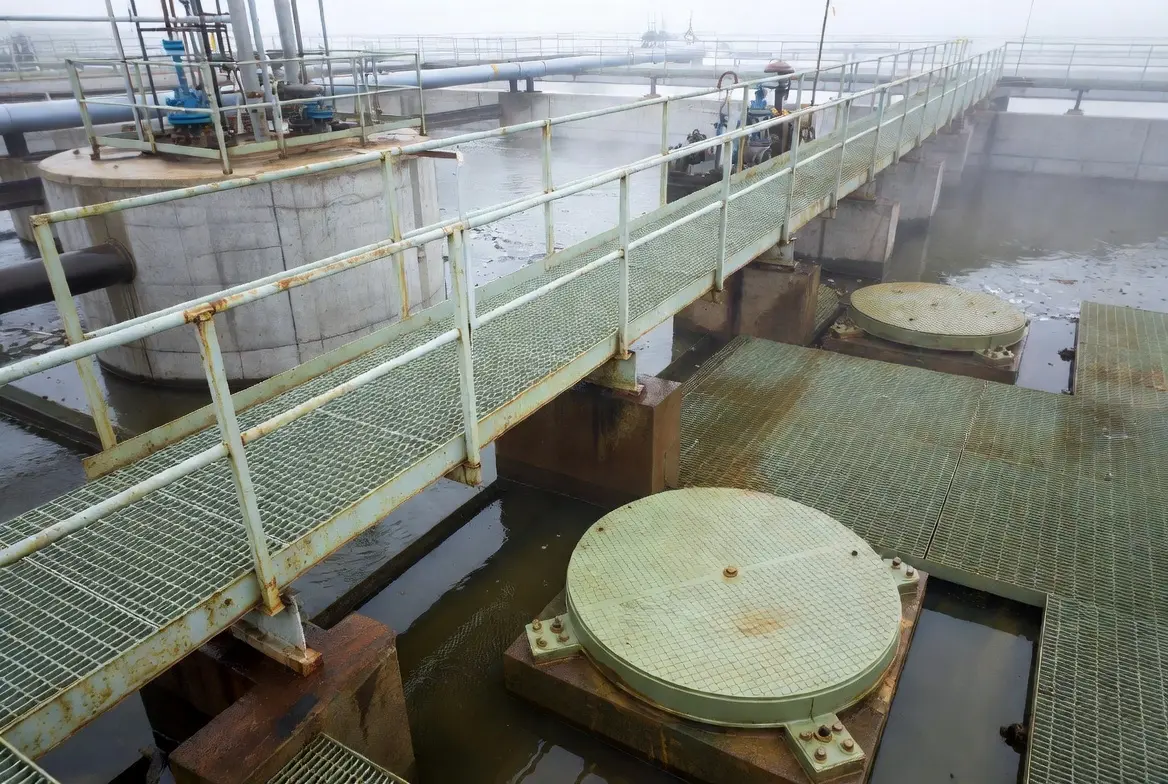
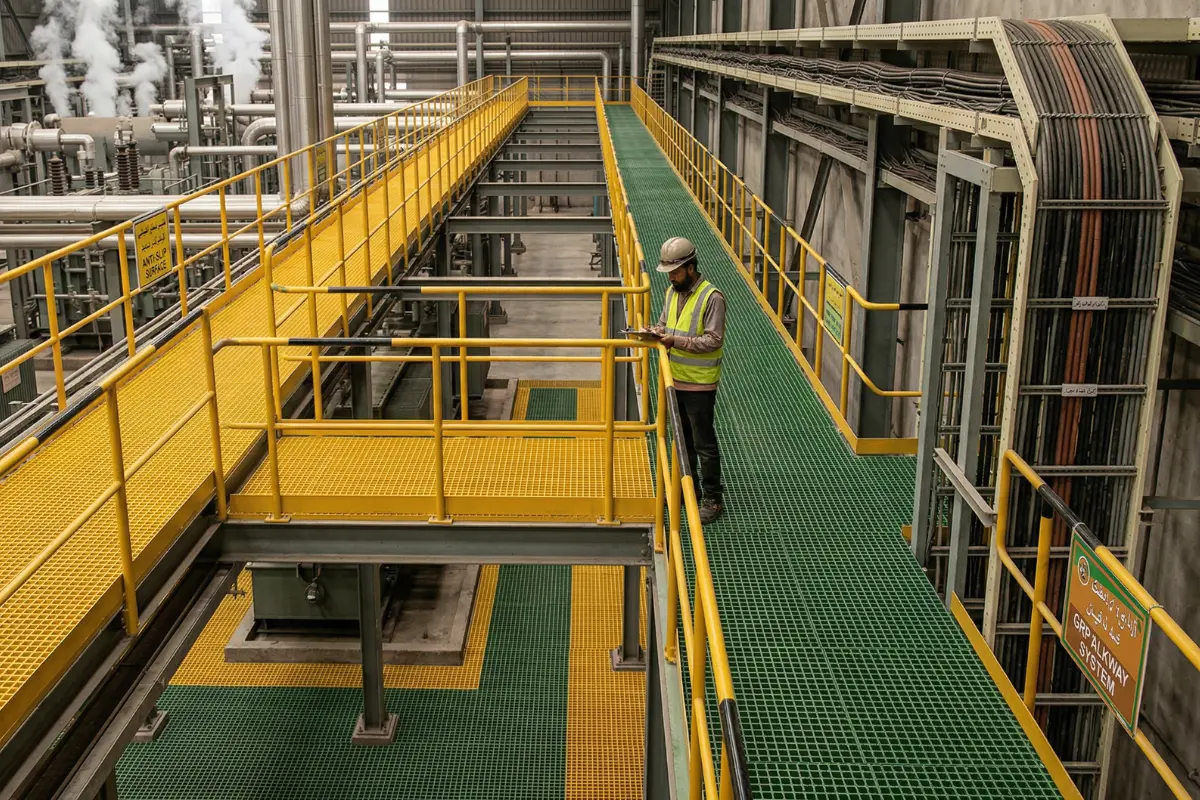
Heavy-duty, non-slip GRP gratings and manhole covers installed on treatment plant walkways for maximum safety and corrosion resistance.

GRP Gratings & Covers

Heavy-duty, non-slip gratings and manhole covers for treatment plant walkways. These are safe, spark-free, and resistant to the humid, corrosive air found in wastewater facilities
GRP Solutions for Water & Wastewater Management | Global Fiberglass Pakistan
Why Global Fiberglass

The Corrosion-Free Choice for Sodium Hypochlorite Plant
Water & Wastewater Infrastructure

Sodium Hypochlorite Plant Water and wastewater environments are among the most chemically aggressive conditions any material must endure. GRP/FRP outperforms concrete, steel, and HDPE — delivering decades of maintenance-free service.

50+
Years Service Life
100%
Corrosion Resistant
75%
Lighter Than Steel
Zero
Maintenance Cost
Chemical Resistance
GRP is immune to hydrogen sulfide, chlorine, acids, and alkalis — the primary causes of concrete and steel failure in Sodium Hypochlorite Plant sewage and water treatment plants.
Watertight & Leak-Proof
Seamless filament-wound construction produces a monolithic, non-porous wall — eliminating leaks and infiltration that plague jointed concrete structures.
Zero Bio-Fouling
Smooth inner surface (Manning's n=0.009) resists biological fouling and scale — maintaining full flow capacity without chemical cleaning or desilting.
Potable Water Certified
Our GRP tanks and pipes use food-grade resins certified for potable water contact — no zinc, no rust, no contamination unlike galvanized or steel vessels.
Fast On-Site Installation
Lightweight GRP panels and tanks require no heavy cranes — reducing civil works, installation time, and project cost vs poured concrete or steel fabrication.
Underground & Above-Ground
GRP tanks and pipes are engineered for both buried and surface installations — resisting soil pressure, groundwater, and UV degradation across all environments.
PropertyGRP / FRPConcreteCarbon SteelHDPE
H₂S Resistance✔ Excellent✘ Degrades✘ Corrodes~ Moderate
Sodium Hypochlorite✔ Yes~ Lined Only✘ No✔ Yes
Service Life✔ 50+ years~ 20–30 yrs✘ 10–15 yrs~ 25–30 yrs
Weight (relative)✔ Very Light✘ Very Heavy✘ Heavy~ Light
Maintenance Required✔ Minimal✘ High✘ Very High~ Low
Leak-Proof (seamless)✔ Yes✘ Joint Risks~ Welded~ Fused
Chemical Resistance (pH 1–14)✔ Full Range✘ Acid Attack✘ Limited~ Good
Technical Data

Engineering Specifications

Our GRP/FRP products for Sodium Hypochlorite Plant and wastewater are manufactured to the most stringent international standards for chemical resistance, structural integrity, and potable water safety.

PropertySpecification
Resin SystemsIsophthalic Polyester, Vinylester, Epoxy
Temperature Range-40°C to +120°C continuous
Tensile Strength80–280 MPa
pH Resistance Range1 to 14 (full chemical range)
Manning's Roughness (n)0.009 (smooth bore, no scaling)
Pipe Pressure RatingPN6 to PN25 (custom higher)
Tank Capacity Range500 litres to 5,000,000 litres
Manufacturing ProcessFilament Winding, Hand Lay-Up, Pultrusion
Surface FinishSmooth liner, Grit coat (anti-slip), Gel coat
Potable Water Cert.NSF/ANSI 61, WRAS, BS 6920 compliant
ISO
9001

ISO 9001:2015

Quality Management System — governing all GRP manufacturing and QC processes

NSF
61

NSF/ANSI 61

Potable water contact certification — no leaching of harmful substances into drinking water

BS
4994

BS 4994 / EN 13121

GRP tanks and vessels design standard for water and wastewater treatment

AWWA
C950

AWWA C950

Standard for fiberglass pressure pipe — water supply, sewage, and industrial service

ISO
14692

ISO 14692

GRP piping design standard — structural, hydraulic, and chemical resistance requirements

Isophthalic Polyester Vinylester Epoxy Food-Grade Resin UV Protective
Our Process

From Design to Delivery —
Engineered for Water

Every GRP water and wastewater product is custom-engineered, pressure tested, and certified before leaving our facility — ensuring a lifetime of leak-free, maintenance-free performance.

Site Survey & Hydraulic Design
Our engineers assess flow rates, chemical content, operating pressure, temperature, and installation conditions. Full hydraulic calculations and structural drawings are provided for client approval before manufacturing begins.
1
Resin & Material Selection
We select the optimal resin system — isophthalic polyester for standard water service, vinylester for aggressive chemicals, or epoxy for high-pressure applications. Potable water grades carry NSF/ANSI 61 certification for safe drinking water contact.
2
Manufacturing (Filament Winding / Hand Lay-Up)
Tanks and pipes are filament-wound for maximum hoop strength and seamless construction. Each product is manufactured to exact project specifications including wall thickness, connection type, and pressure rating calculations.
3
Hydrostatic Testing & Quality Control
Every tank and pipe undergoes full hydrostatic pressure testing before despatch. Wall thickness, glass content, and dimensional accuracy are verified. Full material traceability certificates and test reports are provided with each delivery.
4
Delivery & Installation Support
Products are delivered to site with full installation guides. Our technical team provides on-site support for complex installations — including underground tank placement, pipe jointing, and integration with existing water treatment systems.
5
FAQ

Common Questions About
GRP in Water & Wastewater

Clear answers to the most common questions our water infrastructure clients ask before specifying GRP/FRP materials for their projects in Pakistan.

Are GRP tanks safe for drinking water storage?
Yes — our GRP tanks for potable water use food-grade isophthalic polyester or epoxy resins that comply with NSF/ANSI 61, WRAS, and BS 6920 standards. These certifications confirm no harmful substances leach into stored water. Unlike galvanized steel (zinc leaching) or concrete (pH increase), GRP maintains full water quality throughout its 50+ year service life.
How long do GRP water and sewage tanks last?
Properly designed GRP tanks have a service life exceeding 50 years. Unlike concrete (which cracks and suffers H₂S attack in sewage environments) or steel (which corrodes within 10–15 years), GRP is completely inert to chemicals and biological agents in both potable water and wastewater. No repainting, re-lining, or structural repairs are required throughout its life.
Can GRP pipes handle H₂S gas in sewage systems?
Yes — hydrogen sulfide (H₂S) is one of the most destructive agents in sewage networks, rapidly degrading concrete and steel. GRP with vinylester or isophthalic polyester resin is completely immune to H₂S attack. This makes GRP the preferred material for gravity sewer pipes, manholes, and wet wells where H₂S concentrations are highest.
What sizes of GRP tanks and pipes do you supply?
We supply GRP tanks from 500 litres to 5,000,000 litres — as single filament-wound vessels or modular panel tanks assembled on-site. Pipes are available from 25mm to 3,000mm diameter. All products are custom-manufactured to your exact project specifications including pressure rating, connection type, and installation method.
How do GRP tanks compare to concrete tanks for wastewater?
GRP significantly outperforms concrete in wastewater. Concrete is attacked by H₂S, acids, and sulfate-reducing bacteria — requiring expensive epoxy lining and re-lining every 5–10 years. GRP requires no lining, no painting, and no structural maintenance. Installation is also faster as GRP tanks arrive pre-fabricated, eliminating on-site curing time entirely.
Do you supply GRP products for ETP and STP plants?
Yes — we supply a complete range of GRP products for effluent treatment plants (ETP) and sewage treatment plants (STP) including aeration tanks, clarifier components, chemical dosing tanks, filter housings, walkway gratings, and pipe systems. All products are designed for the specific chemical and biological conditions of your treatment process.

Ready to Upgrade Your Water Infrastructure
with GRP Solutions?

From potable water tanks to sewage treatment systems — our engineers will design the right GRP solution for your project. Get a free technical consultation today.

Get a Free Consultation →

Scroll to Top